Wednesday, October 12, 2016

Maple Syrup Grading is a Bit Like Wine Tasting

In response to our customers' questions about maple syrup grades here's an infographic to help us understand the ins and outs of maple syrup. Not unlike wine, each grade offers its own unique set of distinctive flavours and tones, and everyone has his or her own personal preference.

This information is taken from the Coombs Family Farm website. They grow top quality, organically grown and processed maple syrups. The same grading system also applies to maple syrups grown worldwide.


In 2015, maple producers worldwide began complying with a new, universal grading system. The International Maple Syrup Institute (IMSI) proposed new maple grades to alleviate consumer confusion and to provide continuity for export markets. Previously, Canada, Vermont, and New York all had different grading systems.
 
In addition, there was a common misconception among consumers that Grade B maple syrup was somehow inferior to Grade A syrup.  Conversely, others believed that Grade B syrup was superior to Grade A, in that it had more nutrients and trace minerals.
 

"The truth of the matter..."


There is no consistent difference between the grades in terms of minerals or nutrients. Maple syrup is a single-ingredient, natural product and as such, it varies from year to year, from forest to forest, and from tree to tree! Even the method of boiling can influence the colour and flavour of maple syrup; reverse osmosis machines remove up to 50 percent of the water from the sap prior to boiling, resulting in a shorter boil and less caramelization of the sugars in the sap. But maple syrup grades are determined by colour and flavour. The darker the colour, the more intense the maple flavour. Lighter syrups are produced earlier in the sugaring season, and darker syrups are produced as the season progresses.

Real maple syrup is divided into two primary grades. 

The new maple syrup grades are outlined below:

1. Grade A (with four classifications):

Sold in retail markets, this high quality pure maple syrup grade is intended for human consumption.There are four separate designations and flavour profiles under this grade:

  • Golden Colour and Delicate Taste: With a pronounced golden hue, this delicate and mild tasting syrup is often a favourite pairing for pancakes. (This is comparable to Grade A Light Amber).
  • Amber Colour and Rich Taste: Also ideal for pancakes, this amber coloured syrup, which can be either light, medium, or darker in hue, has a full-bodied and rich flavour. (This is comparable to Grade A Medium Amber or Grade A Dark Amber).
  • Dark Colour and Robust Taste: Stronger and darker than the lighter grades, this has a robust and substantial flavour ideal for grilled, glazed, or baked dishes. (It is comparable to Grade A Dark Amber, Grade A Extra Dark, or Grade B).
  • Very Dark and Strong Taste: This is The strongest maple syrup flavour and is typically used for cooking.
2. Processing Grade:

This second grade of maple syrup is not permitted for retail sale, but is suitable as an ingredient in food products. While it doesn’t meet Grade A requirements, it does meet all other maple regulations and food quality/safety guidelines.
 
And there it is - you learn something new every day!


Maple Syrup, organic
(Grade A, dark colour, robust flavour, 100% pure - 946 ml)


Organic maple syrup sourced from a collective of small, independent, organic family farms in Canada and the US. This syrup is dark, thick and has a deliciously robust flavour. 100% pure straight up goodness. Comes in two sizes, the 946 ml and the 250 mls in a glass bottle.
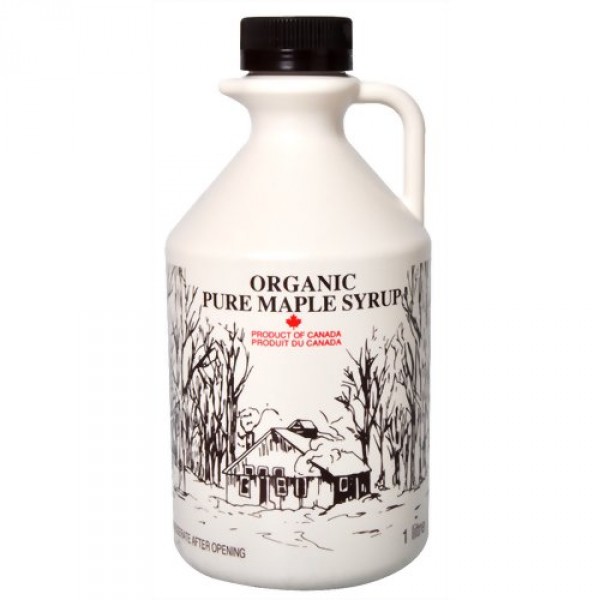

Maple Syrup, organic
(Grade A, clear amber, rich taste, 100% pure - 1 litre)


Maple syrup is primarily made from the sap of sugar maple, red maple, or black maple trees. In cold climates, the starch stored by these trees is converted to sugars that rise in the sap in the spring. The sap is then processed by heating, leaving the concentrated syrup.

Sunday, July 24, 2016

What's All the Fuss about Fermented Food?

We're talking to Joanna Nolan of Be Nourished about her kimchi and sauerkrautplus looking at what makes for a healthy gut.

Be Nourished makes and sells organic, cultured vegetables. These probiotic super-foods are teeming with live organisms and essential enzymes that aid digestion and repopulate the digestive tract with beneficial bacteria.

Jo says, "As a mother of two children I became interested in nutrition while looking for ways to nourish my family. I stumbled upon Sally Fallon's book, Nourishing Traditions. I thought sauerkraut might be one of the easiest fermented foods to experiment with. However, I soon discovered that if I wanted the benefits of organic, raw sauerkraut made from fresh, local ingredients, I was going to have to make it myself."


Jo noticed some positive results in her family's health, "Having included these fermented vegetables into our family’s daily diet we found that sugar cravings and allergies, such as hay-fever, were suddenly disappearing."

What are 3 Things to Avoid if You Want a Healthy Gut?

  1. Highly processed foods that contain sugar. It's possible that sugar (particularly the component of sugar, fructose, in processed foods) causes imbalances in gut bacteria which in turn may affect our digestive systems.
  2. Artificial Sweeteners.  With the push for reducing sugar intake and the possibility that more people will be attracted to using sugar substitutes I Quit Sugar says that, "Artificial sweeteners could have an effect on gut and metabolic activity by actually changing the composition and function of our gut microbiota.  Sugar alcohols, for example, sorbitol and mannitol, can cause problems for people suffering from Irritable Bowel because they don't pass easily through our cell walls, meaning that gut bacteria digest them."
  3. Alcohol in excess. One small glass of a nice, red wine (red wine is low fructose) with a meal can be beneficial but over-doing the alcohol can result in many, many serious metabolic problems.
3 Things You Can Do to Improve Gut Health
  1. Exercise. Research has shown that "... regular exercise could reduce the risk of colon cancer by up to 25%," quotes I Quit Sugar.
  2. Don't run yourself ragged! Recent research has shown that there may be a link between imbalance in gut bacteria and mood disorders like anxiety and depression.
  3. Eat fibre-rich foods like vegetables and whole grains and fermented foods like sauerkraut, kimchi, yoghurt (made with full-cream milk or pure coconut milk and unsweetened of course).
ABC reporter, Tony Jones, interviewed microbiologist, Guilia Enders, about her book, Gut: The Inside Story of our Body's Most Underrated Organ which addresses these six points and more. Here's a link to the complete interview on ABC.


From the transcript:

TONY JONES: Let's look at some of the areas you focus on in your book and the first one is the possible link between obesity and gut bacteria. Are there studies which show the difference between the gut bacteria of obese and normal weight people?

GIULIA ENDERS: Yes, there are plenty of studies, actually. And we see, for example, that there are some bacteria that can be found in people with higher weight. ... I like to call them the "chubby bacteria" because we see that they can actually harvest more calories out of the food you eat. And we see that overweight people ... when they go to the toilet, there are less calories that they excrete and other people, they just excrete more of the calories they take up. Then we see that there are things like diversity. Having a more diverse gut ecosystem will actually be a very protective thing for people struggling with overweight. We see that some diets, when they work on one person they don't work in another person. A study that showed that a diet worked when it altered the gut flora. 


TONY JONES: So how do you know? I mean, how do you know if you've got the right level of diversity in your gut bacteria to actually help you, for example, maintain a healthy weight or avoid diseases like diabetes? As you say, there is a link or there appears to be a link.

Guilia Enders goes on to say that we need to become more aware of our own gut.  Are we eating enough fibre, how are our stools...?  "If you're basically eating very low fibre, and industrial nations eat about half of the fibre that the World Health Organisation recommends, then you'll be pretty sure you don't nurture your microbes as well as you could..."

Let's become aware of this whole new area of research into the gut biome being carried out in the field of microbiology.


A customer comments about her experience of beginning to use the fermented foods from Be Nourished. "After starting to eat these cultured vegetables I have found I am losing my cravings for sweet things. I never thought I would like fermented food, but these are amazing and now I am getting the whole family eating them," That's encouraging!

Saturday, June 4, 2016

Turmeric: The Power of Kitchen Gold

A brief summary of an article by Emily Monaco from Organic Authority


The complex, buttery, peppery taste of Turmeric can be irresistible when it's taken fresh from the root. Its look resembles ginger root, which we're familiar with; but the golden, Fijian Turmeric Root we get in New Zealand boasts a gorgeous orange colour when you cut into it.


Thanks to these nutrients, a teaspoon (2 grams) of grated turmeric root, packs a powerful punch:

0.2mg Manganese (8% of our daily need)
0.8mg iron (5% of our DN)
0.5mg Vitamin C (1% of our DN)
3.9mg Magnesium (1% of our DN)
5.4mg Phosphorous (1% of our DN, essential for bones)
50.5mg Potassium (1% of our DN)
0.1mg Zinc (1% of our DN)

9 Ways Turmeric, with its active ingredient Cucurmin, can help you:
  1. It can reduce systemic inflammation. That's inflammation within our bodies that can cause chronic disease.
  2. Turmeric has been linked to helping people with Alzheimer's disease.
  3. It can be very soothing for stomach problems like indigestion and bloating possibly because turmeric stimulates the gall bladder to produce bile.
  4. Turmeric has been successfully used for a wide range of pain relief from menstrual cramps to joint pain from arthritis. A 2012 study showed that patients with rheumatoid arthritis showed improvement when taking Cucurmin supplements. Some research here.
  5. Possible cancer prevention. A 2011 study from the University of Illinois, Chicago, here, showed that Cucurmin could have positive effects in the early treatment of colon cancer.
  6. Talking about going sugar-free, Cucurmin may help manage irregular blood sugar levels.
  7. There is increasing interest in the ability of Cucurmin, the active ingredient in turmeric root, to protect the heart against disease. Some research here.
  8. Potential anti-depressant properties. More info here.
  9. Turmeric contains good levels of very effective antioxidants. Some research here.

Buying and Storing Turmeric Root

Fresh root contains all the flavour and goodness of the fresh spice. Powdered is great to use in baking but the fresh root is best used in smoothies and other cooking. 

Storage is best under dry conditions. When you buy your root make sure it's dry before you store. It will also keep well in a dry container in the fridge for 2-3 weeks. If necessary, freeze it. This will make the root go limp but its' still potent and usable when frozen.


Here's a link for some good recipes - you'll have to scroll right to the bottom of the article to find them. Enjoy!

(Turmeric Scrambled Eggs)

Tuesday, May 3, 2016

3 Unusual Carbs to Consider

Don't eliminate carbs as a food group completely! Just be choosy about the ones you do eat. These 3 carbs are certainly worth considering, and here's why... 


Black Rice
Once called the "forbidden rice," it was so valued in China that only the Emperor was allowed to eat it. Black rice is unmilled, meaning the husk hasn't been removed. The grain is dark because of its high anthocyanin (dark pigment) content. It contains more anthocyanin than blueberries along with high fibre, less sugar and more vitamin E antioxidants.

Used in savoury and sweet dishes, the stickiness of this rice makes delicious rice puddings. Here's a link to Coconut Black Rice Pudding from the My New Roots blog. Click here to buy black rice.


Quinoa
Quinoa (see first image), pronounced "keenwa" is a nutritious seed popularly grown in South America. It's almost become labelled a "super-food" because its a source of good quality protein, low carb content with high fibre. It's rich in minerals, it's gluten-free and there are indications that it can help with blood sugar levels and weight loss.

Quinoa isn't complicated. Its a bit like rice though you need to rinse it three or four times in cold water to remove the saponin, naturally occurring anti-fungal agent in the seed coat, before cooking. There's lots you can do with quinoa. Have a look at the I Quit Sugar list of recipes hereClick here to buy quinoa.

Buckwheat
Buckwheat is not actually wheat, it's a seed from a plant that is grown in northern India and now the USA. It's related to sorrel and rhubarb. It is sold hulled - without the outer husk. This is what it looks like in the husk (photo below).

Having a high protein content and low carb levels, buckwheat is gluten-free and also contains high omega-3 fatty acids, B vitamins and antioxidants. Use it in salads, sprout it, make porridge, buy buckwheat flour and make pancakes. Check out this whole raft of buckwheat recipes from I Quit Sugar.


Buckwheat bread image from The Brown Paper Bag
~~~

Thursday, April 14, 2016

A Cheesy-Peasy Breakfast Recipe

Breakfasts are some of the most sneaky sugar-filled foods out there! Here's an easy savoury breakfast recipe to take the sugar out of your morning and replace it with satisfying and filling fats and protein. We made this for breakfast the other day and didn't feel the urge to nibble until lunchtime!

A Cheesy-Peasy Breakfast


~ makes 2 servings ~ 

- 5 eggs, gently mixed

- ¾ cup frozen peas

- ½ cup frozen spinach or 1 full cup

- fresh spinach leaves

- ½ cup fresh sweet basil leaves (or ½ tsp dry herbs)

- ¾ cup Parmesan cheese, finely grated

- 1 Tbsp butter or good oil


Heat your fry pan, put your butter or oil in.

Throw in the frozen peas, spinach and basil.  Cook for about 3 minutes until heated through.

Pour in the eggs.  Throw in the Parmesan cheese, season with salt and pepper.

Mix gently every so often and don’t overcook.


Divide into two servings, fold over gently and plate. Add some yummy sauerkraut as a side.  If you’re hungry add toast. This should see you through until lunchtime because you’ve cut out the sugar, included good fats and upped your protein intake.


~~~

Wednesday, April 13, 2016

Divine Cashew Nut Cream Recipe - super easy, super delicious!


~~~

This recipe offers a deliciously wonderful, simple, dairy-free alternative to cream. A blender or a stick blender is essential.

- 125 g cashew nuts (pieces are also fine for this)
150ml filtered water (don’t want the flavour of chlorine)
- A dash of rice syrup or honey (truly, only a dash)
- Real vanilla extract

Whizz all the ingredients in the blender until smooth.  You can adjust consistency by using more or less water. Add more honey for a sweeter taste.

Serve with fresh fruit or any dessert that does well with a dash of cream. Yummy! 

~~~


Here is a collection of cashew creations to make your mouth water.

You cashew munchers aren’t just limited to the roasted, salted ones. In fact some of these ideas are even better!


Cashew and herb spread, cashew nut cheese, cashew and dill sauce, and cashew ice cream - yum!

We sell the cashew nuts - the recipes are all over the internet. Get googling!

P.S. Bet you didn't know cashew nuts grew like this...

Images from Google Images